
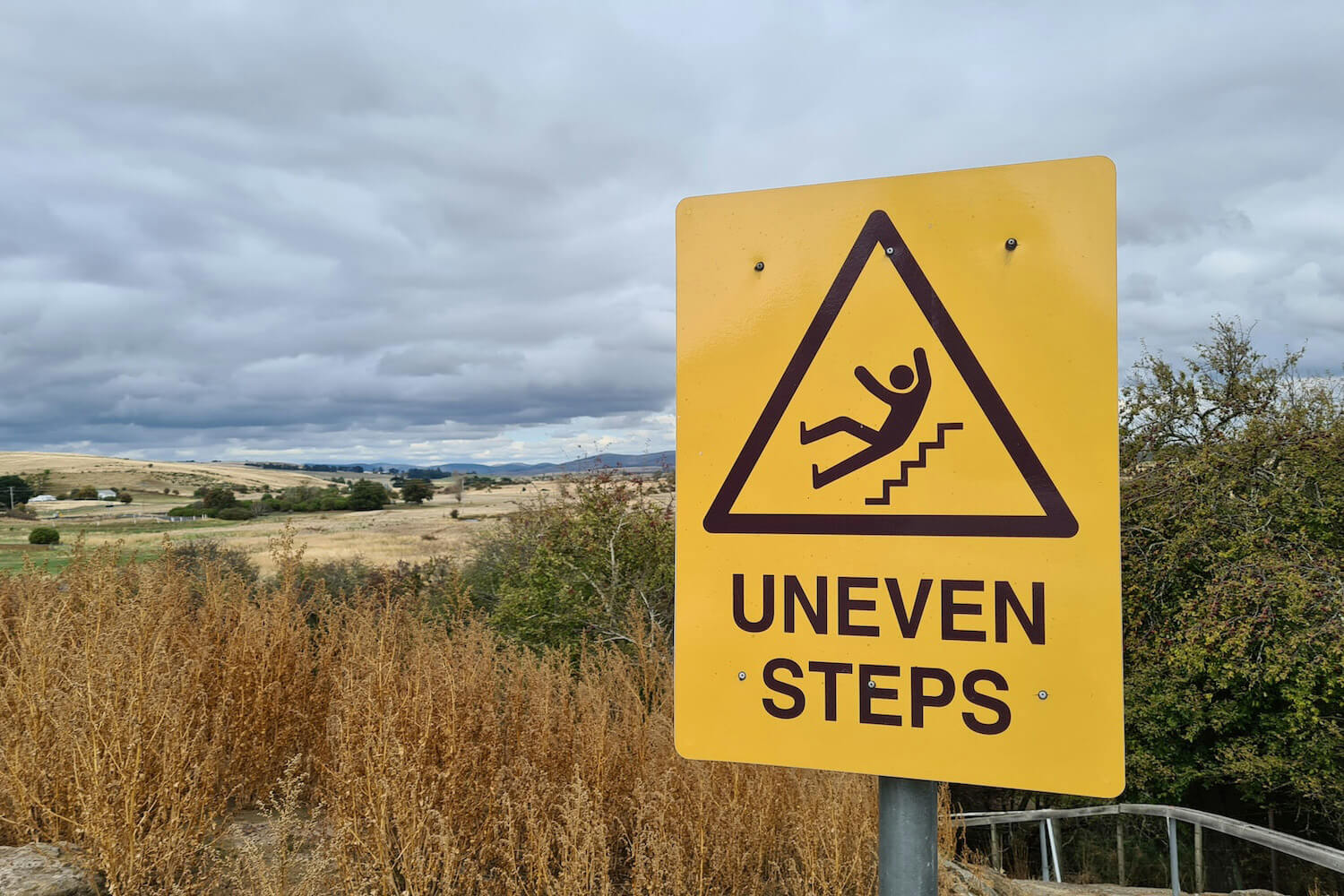
When You Slip
The old reflex is still there. Here's what to do when it wins.
Three weeks into his commitment to letting the team figure it out, the integrator gets a call at 4:15 on a Thursday. A deadline that can’t move, a crew lead standing in front of him with half a plan, and no time. He doesn’t ask what have you tried. He doesn’t wait out the silence. He tells the guy exactly what to do, fast, the way he would have three weeks earlier, and the deadline gets made.
He called me that night, not to celebrate hitting the deadline. To ask if he’d broken the whole thing.
He hadn’t. But I understand exactly why it felt that way, and if you’re doing this work, you will hit this same night eventually, so let’s talk about it before you do.
The slip is not a verdict on the method. It's a fact about reflexes.
You spent years, maybe decades, building the muscle that solves problems fast under pressure. In fact, you are known for that and celebrated for that. The muscle doesn’t go away because you decided three weeks ago to build a different one next to it. Under real stress, with a real deadline and no time to breathe, the brain reaches for whichever muscle is strongest, and three weeks of new habit is not stronger than fifteen years of old habit. It isn’t supposed to be yet. That’s not failure. That’s just how long it takes to unwind practiced habits.
What makes the slip feel like a catastrophe is the story you tell about it afterward. My client’s story that Thursday night was something like: “I’m a fraud. None of this actually took. I’m the exact same guy I always was.” None of that is true, and all of it felt true at 9 p.m. with the deadline still ringing in his ears.
Here's what's actually true instead.
One slip under acute pressure doesn’t erase three weeks of a different pattern. It tells you where the pressure threshold sits right now. That’s information, not indictment. A guy who can hold the line in a normal week but reaches for the old move when a real deadline collides with a half-formed plan isn’t back at square one. He’s found the exact edge of what he’s built so far, which is the only way anyone ever finds it.
The question that matters after a slip isn’t: “Did I fail?” It is: “What was different about this moment than the ones where I held the new choice?” For my client, the answer was time. He’d never practiced the new questions under a real clock. Every 1:1 he’d held the line in had room to breathe. This one didn’t. That’s not a character flaw. That’s a training gap, and training gaps close with reps, not with three hours of self-punishment at his kitchen table.
What to actually do the next morning.
That’s it. You’re not confessing a sin. You’re closing a loop, out loud, so the team learns the new pattern is still the real one even when it gets interrupted.
My client did that Friday morning. Took him about ninety seconds. The crew lead’s response was basically a shrug and a “yeah, no problem,” because the crew lead had barely registered it as a big moment. The leader’s own head had made it enormous. The team had already moved on.
That millisecond, between how large the slip feels to you and how small it actually registers to everyone else, is worth remembering every time you’re sure you’ve ruined something.
You will slip again. Probably more than once, especially anywhere your pressure threshold hasn’t been tested yet. The measure of whether this work took was never going to be a perfect record. It’s whether you can catch it, say something honest and small the next morning, and keep going without turning one bad Thursday into proof that none of it was real.
Where’s your own pressure threshold sitting right now? What is the specific scenario where you know your old rescuing reflex is still stronger than your new habit?
Hit reply and tell me. Let’s normalize the slip.
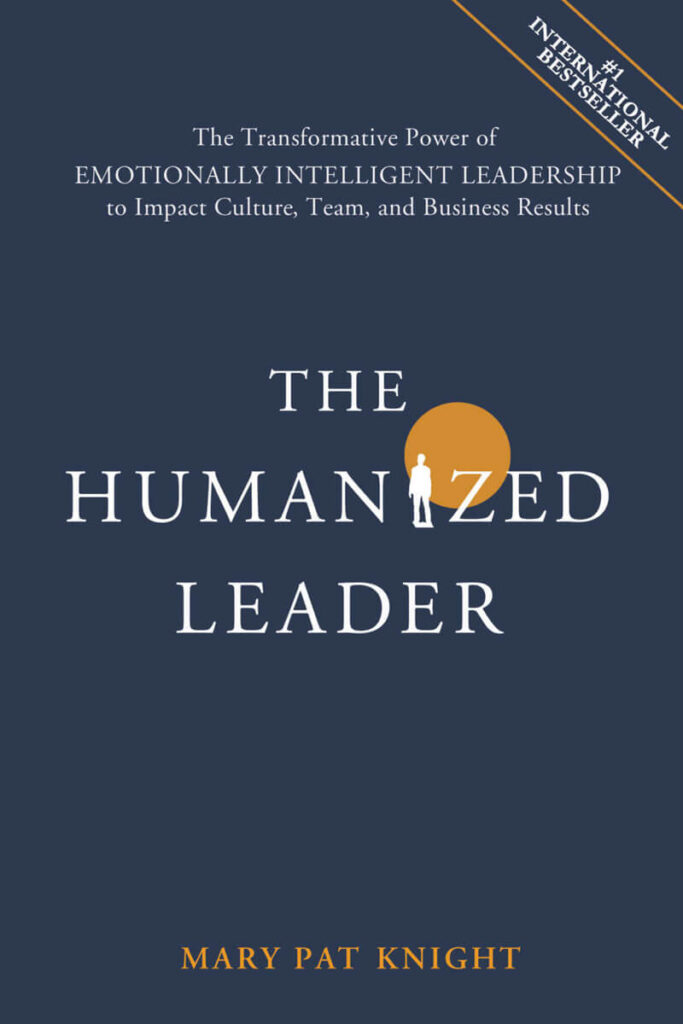
Mary Pat Knight is CEO of Leaders Inspired – an executive coaching and consulting agency devoted to the development of emotionally intelligent leaders. She is also the author of the Amazon #1 International Best Selling book, The Humanized Leader.
The ground-breaking new book, The Humanized Leader: The Transformative Power of Emotionally Intelligent Leadership to Impact Culture, Team and Business Results, is now available in Kindle, paperback, or as an audiobook. To get your copy – or extras for your team, click the button below.