
The Speed Trap of Modern Accountability
A few weeks ago, I made a mistake in front of a room full of people. A real one. The kind that sticks with you.
I won’t walk through the specifics here. What matters is what happened next. Within an hour, I’d sent an email: direct, unhedged, fully owned. I was proud of how fast I moved.
I called it accountability.
I haven’t heard back. Not a word.
In the weeks since, I’ve had to ask a question I didn’t think to ask before hitting send: was that accountability, or was it fear wearing accountability’s clothes?
Fast can look like integrity. It can also be relief.
I wanted the discomfort gone. I wanted to get ahead of the mistake before anyone could think less of me. None of that means the apology was wrong. But it doesn’t mean I knew what the other person actually needed in that moment, either. I moved before I knew, and I called the movement bravery.
I’ve gotten good at recognizing fear when it makes me hesitate. I’m far less practiced at recognizing it when it accelerates me. That kind of fear mimics resolve. It uses all the right words and leaves you feeling virtuous about how swiftly you handled yourself.
The silence afterward has made this harder, not clearer. Every time I try to parse what the lack of response means, I slip right back into story-telling—turning what I don’t know into a fixed fact.
What I do know is that I had real information in that first hour. I knew what I’d done, who it affected, and that an acknowledgment was mine to make.
I also wanted comfort. Those things can both be true.
Accountability may have called for an apology. Fear dictated the stopwatch. I don’t have to turn one of those into the whole story, but I can’t ignore the collision between them.
I still don’t know whether I moved too fast. What I am certain of is that speed wasn’t evidence of mastery.
Maybe the harder question isn’t whether I should have spoken up. It’s whether I could have stayed in the room with my own discomfort long enough to find out what it was actually asking of me.
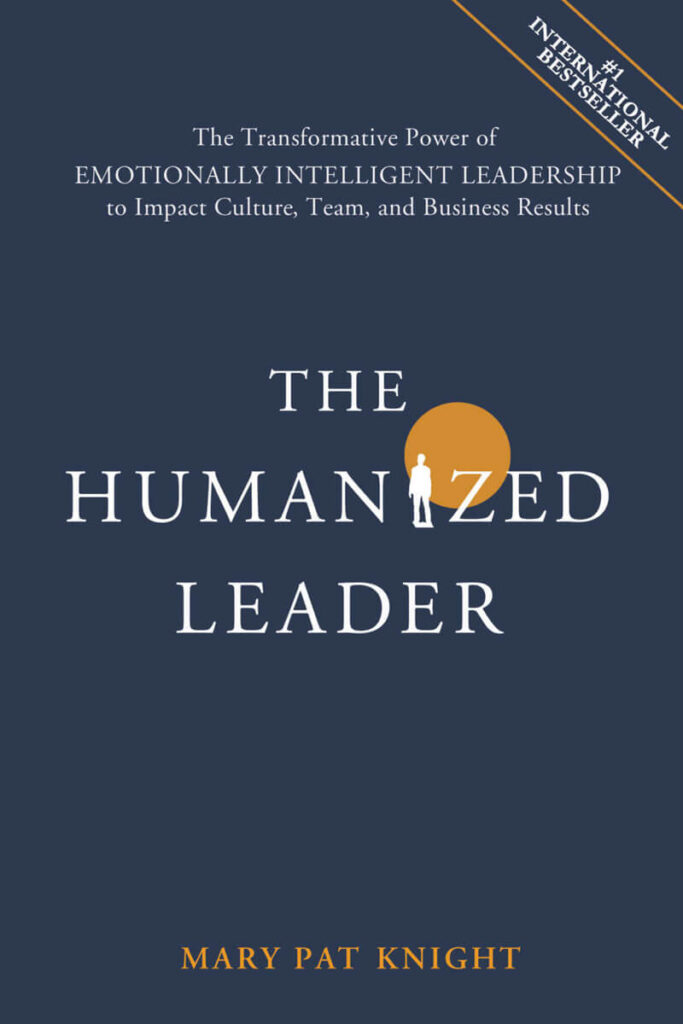
Mary Pat Knight is CEO of Leaders Inspired – an executive coaching and consulting agency devoted to the development of emotionally intelligent leaders. She is also the author of the Amazon #1 International Best Selling book, The Humanized Leader.
The ground-breaking new book, The Humanized Leader: The Transformative Power of Emotionally Intelligent Leadership to Impact Culture, Team and Business Results, is now available in Kindle, paperback, or as an audiobook. To get your copy – or extras for your team, click the button below.